
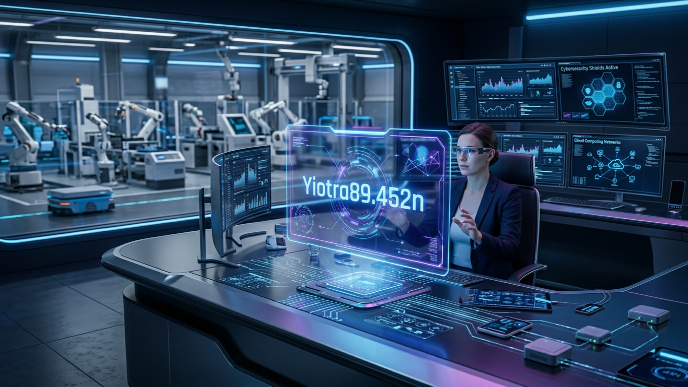
Introduction to Yiotra89.452n
Yiotra89.452n is a modern technical identifier that has recently attracted attention in digital technology discussions, IoT infrastructure conversations, and advanced automation environments. While the name may initially appear mysterious or randomly generated, several emerging technology sources describe yiotra89.452n as a structured framework associated with intelligent systems, cloud integration, data management, and connected device ecosystems. As industries continue moving toward automation and digital transformation, terms like yiotra89.452n are becoming increasingly important in understanding how modern technological infrastructures are organized and managed.
The growing visibility of yiotra89.452n reflects the rapid expansion of interconnected technologies across business, manufacturing, communication, and smart infrastructure sectors. Today’s organizations rely heavily on systems capable of processing real-time data, coordinating automated workflows, and supporting communication between multiple digital devices. Technical identifiers such as yiotra89.452n help developers and engineers create organized structures for these increasingly complex environments.
Another reason for the rising interest in yiotra89.452n is the global shift toward scalable and intelligent digital ecosystems. Businesses no longer depend solely on isolated software systems. Instead, they require flexible infrastructures capable of integrating sensors, cloud services, analytics platforms, cybersecurity layers, and automation technologies. Yiotra89.452n is often discussed within this broader context of smart digital evolution.

Understanding the Meaning of Yiotra89.452n
Yiotra89.452n is generally described as a structured technical framework or identifier linked to advanced digital operations. Technology-oriented sources explain that the term may function as a naming convention, integration protocol, or infrastructure reference within interconnected environments.
In modern technological systems, identifiers are essential because they allow organizations to track configurations, manage devices, organize workflows, and maintain compatibility between multiple platforms. Yiotra89.452n appears to represent this type of organized system management, particularly in environments involving automation, IoT networks, and cloud-based operations.
Some recent technical articles describe yiotra89.452n as part of a larger ecosystem focused on operational efficiency and intelligent communication between systems. This includes capabilities related to automation control, data synchronization, performance monitoring, and digital optimization. Although detailed public technical specifications remain limited, discussions consistently connect the term with scalable and adaptive infrastructure solutions.
The Structure Behind the Name Yiotra89.452n
One of the most interesting aspects of yiotra89.452n is its unique alphanumeric structure. In technical industries, identifiers are rarely random. Instead, each component usually serves a classification or organizational purpose. Analysts discussing yiotra89.452n suggest that the name likely follows structured engineering conventions designed for easy recognition and categorization.
The “yiotra” portion may represent a framework family, software category, or operational environment. Prefix-based naming systems are widely used in software engineering because they help professionals quickly identify related systems or technologies. This improves documentation efficiency and reduces confusion during large-scale operations.
The numeric section “89.452” likely indicates version tracking, hierarchy classification, or system specification levels. Numeric coding is essential in technology development because it allows teams to differentiate between configurations, updates, and deployment structures. The final “n” suffix may represent network deployment, node identification, or a specialized operating environment. Together, these components create a structured naming architecture suitable for complex digital infrastructures.
Yiotra89.452n and the Rise of Smart Technology
The emergence of yiotra89.452n closely aligns with the rise of smart technology systems worldwide. Industries are increasingly replacing traditional manual operations with intelligent environments capable of automation, predictive analysis, and real-time communication. Frameworks like yiotra89.452n are becoming valuable because they support this transition toward interconnected digital ecosystems.
Smart technology depends heavily on devices communicating continuously through sensors, cloud systems, and machine-learning platforms. In these environments, organization and interoperability are critical. Structured frameworks help ensure that devices can exchange information accurately while maintaining operational stability. Yiotra89.452n is often discussed as part of this broader movement toward integrated digital intelligence.
Another major factor driving adoption of smart systems is efficiency. Businesses seek technologies that reduce manual workload, improve monitoring accuracy, and increase productivity. Automation frameworks associated with yiotra89.452n reportedly support these goals by enabling faster communication between systems and more reliable operational management.
Applications of Yiotra89.452n in Modern Industries
Yiotra89.452n is associated with several industrial and technological applications, particularly in sectors involving automation and IoT infrastructure. Manufacturing is one major area where structured digital systems are essential. Modern factories rely on smart sensors, predictive maintenance systems, and automated production management to maintain efficiency and minimize downtime.
In industrial environments, systems linked to yiotra89.452n may help coordinate machine communication, monitor operational performance, and manage real-time production data. Smart monitoring technologies can detect potential equipment failures before they occur, allowing businesses to avoid costly disruptions and maintain smoother operations.
The framework is also discussed in relation to smart cities and connected infrastructure. IoT-enabled transportation systems, environmental monitoring tools, and energy management platforms require highly organized communication structures. Yiotra89.452n may contribute to these ecosystems by supporting reliable device interaction and centralized system management.
Healthcare and logistics sectors may also benefit from such technologies. Hospitals increasingly depend on interconnected monitoring systems, while logistics companies require accurate tracking and automated inventory management. Frameworks supporting real-time communication and scalability are essential in these industries.
Key Features and Technical Capabilities
Technology sources discussing yiotra89.452n frequently emphasize automation as one of its central features. Automated workflows reduce the need for manual intervention, improve consistency, and help organizations operate more efficiently. This capability is especially valuable in large-scale environments where human oversight alone cannot manage every operational process.
Real-time analytics is another major capability associated with yiotra89.452n. Modern organizations generate enormous amounts of operational data, and systems must process this information quickly to remain effective. Real-time monitoring allows businesses to identify performance issues, track resource usage, and make faster strategic decisions.
Scalability also plays an important role. Digital infrastructures constantly evolve, and organizations require frameworks that can grow without requiring complete system replacement. Sources explain that yiotra89.452n-related technologies support flexible expansion, allowing businesses to integrate additional devices, platforms, and services over time.
Security and interoperability further strengthen the framework’s value. Secure communication protocols, cross-platform compatibility, and encrypted data management help protect operational systems while ensuring smooth interaction between different technologies.
Benefits of Yiotra89.452n for Organizations
Businesses adopting systems connected to yiotra89.452n may experience several operational advantages. One of the most important benefits is improved efficiency. Automated systems reduce repetitive manual tasks, allowing employees to focus on strategic responsibilities rather than routine operations.
Another significant advantage is better visibility into organizational performance. Real-time dashboards and monitoring systems provide managers with immediate access to operational information. This helps businesses identify trends, optimize workflows, and respond quickly to changing conditions.
Cost reduction is also frequently mentioned in discussions about advanced digital frameworks. Predictive maintenance systems reduce equipment failures, while automated resource management minimizes operational waste. Over time, these efficiencies can significantly lower infrastructure and maintenance expenses.
The flexibility of scalable frameworks also allows organizations to adapt more easily to changing technological demands. Companies can expand infrastructure gradually rather than rebuilding entire systems from scratch, making long-term digital growth more manageable and cost-effective.
Challenges and Security Concerns
Despite its advantages, yiotra89.452n also presents several challenges that organizations must address carefully. One issue is the limited availability of official documentation and standardized public specifications. Because the term is still relatively new and primarily discussed through emerging technology websites, some professionals remain uncertain about its exact technical standards.
Integration with older infrastructure represents another common challenge. Many organizations still operate legacy systems that were not originally designed for IoT connectivity or advanced automation. Integrating frameworks like yiotra89.452n into these environments may require software upgrades, compatibility adjustments, and specialized technical expertise.
Cybersecurity concerns are equally important. Highly connected digital environments increase exposure to cyber threats if systems are not protected properly. Experts emphasize the importance of encryption, secure authentication, continuous monitoring, and access control in maintaining safe operations.
Employee training can also become a barrier during implementation. Advanced digital systems often require skilled personnel capable of managing technical infrastructure effectively. Without proper education and support, organizations may struggle to maximize the full potential of intelligent automation frameworks.
Future Potential of Yiotra89.452n
The future of yiotra89.452n appears closely connected to the continued growth of IoT networks, artificial intelligence, automation technologies, and smart infrastructure systems. As industries increasingly adopt connected digital environments, structured frameworks will become even more important for maintaining operational organization and interoperability.
Artificial intelligence is expected to play a major role in future development. AI-driven analytics can improve predictive maintenance, automate complex decision-making processes, and optimize operational performance in real time. Frameworks like yiotra89.452n may evolve into foundational systems supporting these intelligent technologies.
Sustainability is another growing area of interest. Modern digital infrastructures increasingly focus on energy efficiency, environmental monitoring, and optimized resource management. Smart systems connected through scalable frameworks can help organizations reduce waste and improve environmental performance.
As technology continues advancing, identifiers and structured architectures similar to yiotra89.452n will likely become more common across industries. They represent the growing need for highly organized, secure, and scalable digital ecosystems capable of supporting the next generation of intelligent infrastructure.
Conclusion
Yiotra89.452n may appear unusual at first glance, but it reflects several major trends shaping the future of technology. Discussions surrounding the term consistently connect it with automation, IoT infrastructure, cloud integration, real-time analytics, and scalable digital ecosystems. These technologies are becoming increasingly important as businesses and industries continue their transition toward intelligent operations.
The framework’s emphasis on organization, interoperability, security, and scalability demonstrates how modern systems are evolving beyond traditional isolated software environments. Businesses now require connected infrastructures capable of managing enormous amounts of data while maintaining operational stability and efficiency.
Although some uncertainty still exists regarding official technical standardization, yiotra89.452n represents a broader movement toward smarter and more integrated technological environments. Understanding concepts like this helps explain how the future of digital transformation, automation, and intelligent infrastructure is being built across industries worldwide.
