
Introduction
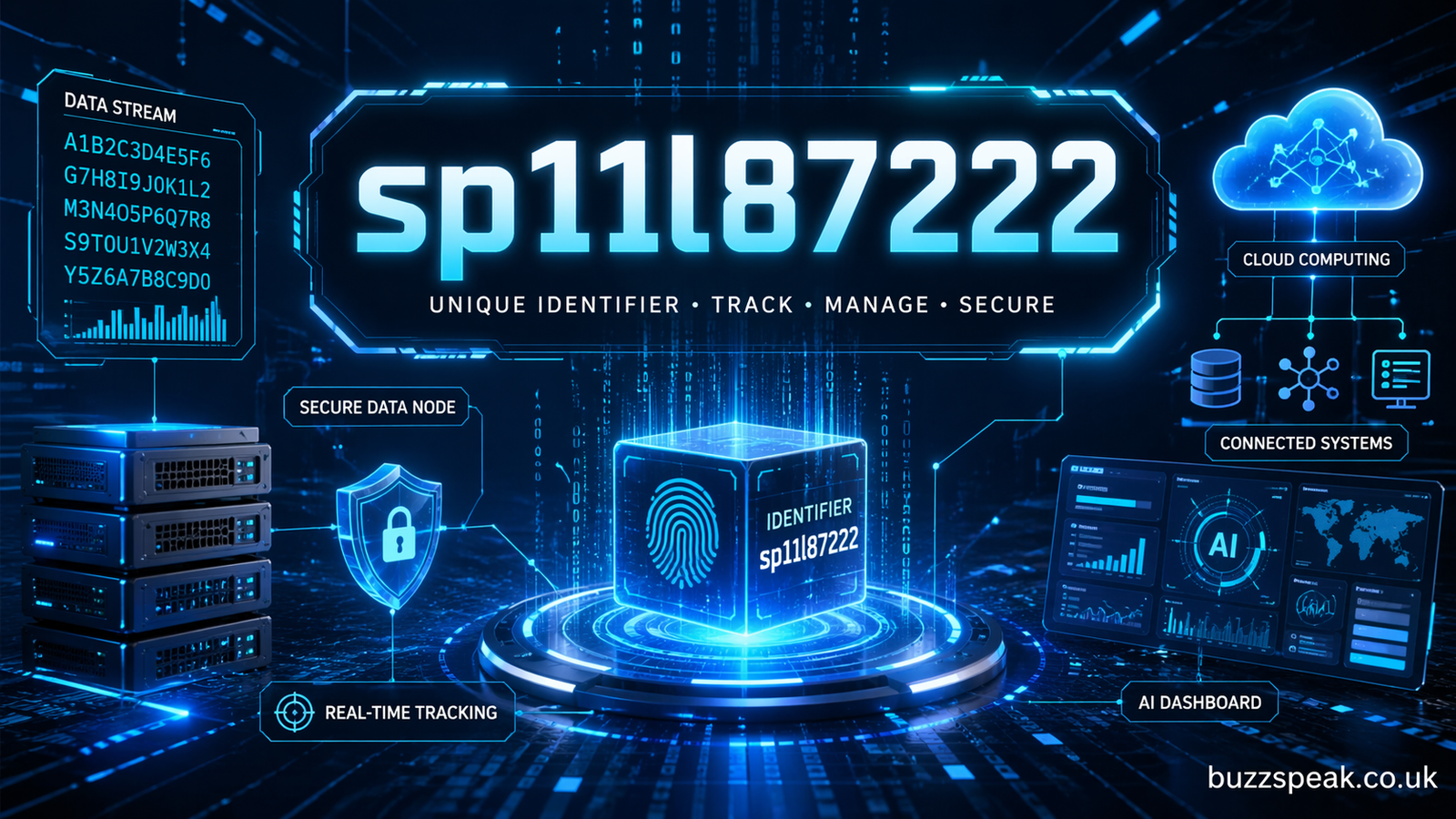
SP11L87222 is an alphanumeric identifier that appears across multiple technical discussions, where it is generally described as a structured code used for identifying, tracking, and managing specific systems, components, or digital records. In many explanations found online, SP11L87222 is presented as a unique reference label that helps organize complex information in hardware, software, or data environments.
In today’s technology-driven world, codes like SP11L87222 are becoming increasingly important because they simplify system management, reduce errors, and improve traceability. Whether used in industrial systems, digital platforms, or database structures, SP11L87222 represents the broader concept of structured identification that supports modern automation and data accuracy.
Meaning and Core Concept of SP11L87222
SP11L87222 is commonly described as a unique alphanumeric identifier designed to represent a specific object, component, or dataset within a controlled system. Across technical sources, it is often explained as a “digital label” that ensures each item can be individually recognized without confusion or duplication.
The structure of SP11L87222 is typically interpreted in segments, where letters and numbers may indicate category, system type, versioning, or unique serial identity. This structured format allows organizations to maintain order in large-scale systems where thousands of similar items must be tracked efficiently.
Technical Structure and Interpretation of SP11L87222
The code SP11L87222 is generally broken down into logical parts that help define its purpose in technical environments. The prefix “SP” is often associated with spare parts, system tags, or structured identifiers used in industrial cataloging systems.
The numeric portion “11” is frequently interpreted as a category or generation marker, while the letter “L” may indicate a product line, region, or system classification. The remaining digits “87222” function as a unique serial sequence that differentiates it from other similar identifiers within the same system.
Role of SP11L87222 in Hardware and Device Systems
In several technical interpretations, SP11L87222 is linked to hardware identification systems used in electronic devices and industrial components. Such identifiers are essential in environments where precise part matching is required for repairs, replacements, or upgrades.
In practical use, codes like SP11L87222 help technicians ensure compatibility between components and devices. Without such identifiers, replacing hardware parts would become error-prone, leading to system failures or mismatched installations, especially in complex electronic ecosystems.
SP11L87222 in Digital Systems and Data Tracking
SP11L87222 is also commonly described as part of digital tracking systems where identifiers are embedded in databases, logs, or analytics frameworks. In these systems, the code acts as a reference point that links data entries to specific actions, users, or system processes.
This type of structured identification is widely used in modern digital infrastructure, including IT systems, logistics platforms, and online analytics tools. It ensures that every data record remains traceable, improving accuracy and reducing the risk of duplication or misinterpretation.
Importance of SP11L87222 in Modern Technology
The importance of SP11L87222 lies in its role as a standardized identification tool that improves system efficiency and organization. Across multiple industries, similar identifiers are used to streamline workflows, enhance communication, and support automated processes.
As systems become more complex, structured codes like SP11L87222 help bridge the gap between physical components and digital records. This makes it easier for organizations to manage large-scale operations with greater accuracy and reduced operational risk.
Real-World Applications of SP11L87222
SP11L87222-style identifiers are widely applied across industries such as manufacturing, information technology, logistics, and electronics repair. In manufacturing, they help track components through production stages, while in IT systems they assist in managing servers, hardware assets, and network infrastructure.
In logistics and supply chains, such identifiers are used to monitor shipments and inventory movement with precision. In analytics systems, they may also serve as tracking markers for user behavior, system events, or marketing performance measurement.
Benefits of Using SP11L87222-Type Identification Systems
One of the major benefits of SP11L87222-style systems is improved accuracy in tracking and managing data or physical components. By assigning unique identifiers, organizations can reduce confusion, avoid duplication, and maintain consistency across complex systems.
Another important advantage is operational efficiency. Instead of relying on long descriptions or manual identification, teams can simply reference a single code like SP11L87222 to retrieve exact information quickly. This significantly improves workflow speed and coordination across departments.
Future Development of SP11L87222-Like Systems
As technology continues to evolve, identification systems similar to SP11L87222 are expected to become more advanced and integrated with emerging technologies such as artificial intelligence, blockchain, and IoT systems. These advancements will likely improve traceability, security, and automation in data-driven environments.
Future systems may also include encrypted identifiers, real-time tracking capabilities, and global interoperability standards. Despite these advancements, the core purpose of SP11L87222-like codes will remain the same: to provide clear, unique, and reliable identification in complex systems.
Conclusion
SP11L87222 represents a broader technological concept centered around structured identification and system organization. Whether used in hardware tracking, digital databases, or industrial systems, it serves as a unique identifier that improves accuracy, reduces errors, and enhances operational efficiency.
While its exact application may vary across contexts, the underlying idea remains consistent: modern systems depend on precise labeling to function effectively. Understanding SP11L87222 helps highlight the importance of structured codes in today’s increasingly automated and data-driven world.
