

Introduction
The keyword “192 l.168.1.1” is actually a common typing mistake for 192.168.1.1, one of the most important private IP addresses used in home and office networking. Many users search this address when they want to access their WiFi router settings but are unsure how it works or why it is needed. This IP is widely used as a default gateway that allows users to control internet settings, change WiFi passwords, manage connected devices, and secure their network.Understanding 192 l.168.1.1is essential because almost every internet connection depends on a router, and the router depends on this private IP system to function. It is not a website or public address but an internal access point used only within a local network.
What is 192.168.1.1 and Why It Matters
192 l.168.1.1 is a private IPv4 address assigned to many routers as their default gateway. It acts as the control panel for your internet connection, allowing you to access all router settings through a browser. When you type this IP into your browser while connected to WiFi, you reach the router’s admin interface.
This address is part of a reserved private IP range defined for internal networks, meaning it cannot be accessed from the public internet. Because of this, every home network can use the same IP without conflict. It is one of the most commonly used router login addresses worldwide.
How 192.168.1.1 Works in a Network System
In a typical network setup, your router assigns local IP addresses to all connected devices like phones, laptops, and smart TVs. The router itself uses 192 l.168.1.1 as its identity within the network.
Whenever a device sends a request to access a website, the data first passes through this default gateway. The router then forwards the request to the internet and returns the response back to the device. This process ensures smooth communication between local devices and global servers.
This system also allows Network Address Translation (NAT), which enables multiple devices to share a single public IP address while staying secure inside a private network.
How to Access the 192.168.1.1 Login Page
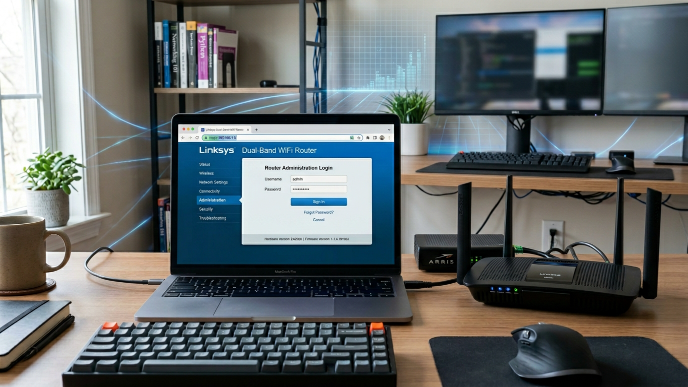
To access router settings, users must open a web browser and type http://192.168.1.1 while connected to the router’s WiFi. If the address is correct, a login page appears asking for a username and password.
This login page gives access to the router’s admin dashboard, where users can change WiFi name, password, security settings, and device control options.
If the page does not open, it may be because the router uses a different IP such as 192.168.0.1 or 10.0.0.1, or the device is not connected to the correct network.
Common Errors When Using 192.168.1.1
One of the biggest problems users face is typing errors like “192 l.168.1.1” instead of the correct format. Even a small mistake prevents the browser from recognizing the address.
Another common issue is network mismatch. The router login page only works when the device is connected to the correct WiFi network. If mobile data is active or a different network is used, the page will not load.
Sometimes, router login problems occur due to changed settings or forgotten credentials. Internet service providers may also modify default login details, making access more difficult without proper information.
Why 192.168.1.1 is Called a Private IP Address
192.168.1.1 belongs to a reserved private IP range used only inside local networks. These addresses are defined so that internal devices can communicate without using public internet space.
This system allows millions of routers worldwide to use the same IP address without conflict because it only works within each separate network.
Private IPs also improve security because they are not directly accessible from the internet. Only devices connected to the router can interact with it.
Security Features Available in Router Settings
Through 192 l.168.1.1, users can access important security features that protect their internet connection. These include WiFi password changes, encryption settings, firewall controls, and device blocking options.
Modern routers also provide guest networks, parental controls, and firmware updates that help protect against cyber threats. Keeping these settings updated is important for preventing unauthorized access.
Weak passwords or outdated firmware can expose a network to hacking attempts, so regular monitoring through the router admin panel is highly recommended.
Troubleshooting Internet Issues Using 192.168.1.1
When internet problems occur, 192.168.1.1 becomes a key troubleshooting tool. Users can log into the router dashboard to check connected devices, signal strength, and data usage.
It also helps in restarting the router, resetting WiFi settings, and diagnosing connectivity problems. Many slow internet issues are fixed simply by adjusting router configurations.
If unknown devices are found in the network list, users can immediately block them from the admin panel, improving security and performance.
Importance of Correct Usage and Network Awareness
Understanding how 192 l.168.1.1 works helps users manage their internet connection more effectively. Many network issues happen due to incorrect IP entry, lack of knowledge, or misconfigured settings.
Learning basic networking concepts like default gateway, private IP addresses, and router login systems allows users to handle most internet issues without technical support.
As internet usage continues to grow, awareness of router management becomes essential for both security and performance in daily digital life.
Conclusion
192.168.1.1 is a crucial part of modern networking that gives users direct access to their router settings. Although often mistyped as “192 l.168.1.1,” the correct format is essential for accessing WiFi controls, improving security, and fixing internet issues.
It works as a private gateway that connects devices within a local network while managing communication with the wider internet. By understanding how it functions, users can better protect their network, optimize performance, and handle common connectivity problems with confidence.
