
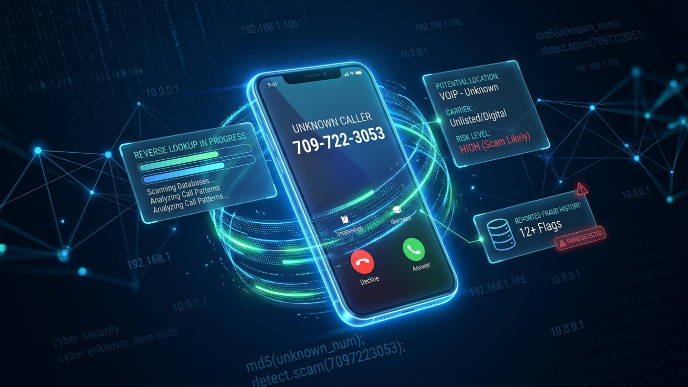
In today’s digital communication era, receiving calls from unknown numbers has become a daily experience for millions of users. One such number that often appears in search queries is 7097223053. People usually search this number after receiving missed calls, repeated ringing attempts, or unexpected messages. The curiosity around such numbers is not unusual, especially in a time where spam calls, telemarketing, and scam attempts are increasing worldwide. Users want quick answers about whether a number is safe, suspicious, or simply a normal personal contact.
The growing interest in numbers like 7097223053 reflects a larger shift in digital behavior. Instead of answering unknown calls immediately, users now prefer to verify them online first. This behavior is closely linked to rising awareness about fraud prevention, identity theft risks, and unwanted marketing communications. Reverse phone lookup tools and community reporting platforms have become essential in helping users understand unknown callers before responding.
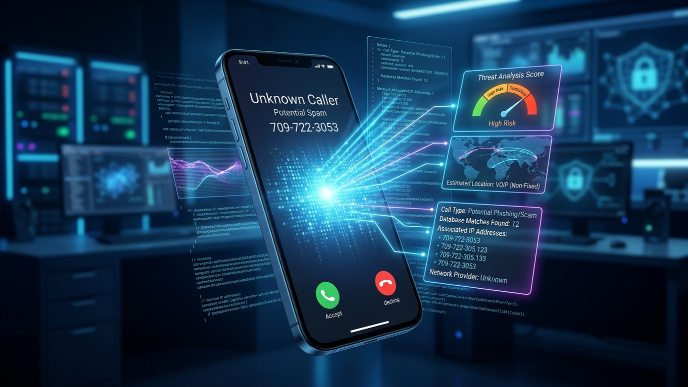
What Is 7097223053?
The number 7097223053 appears in online searches mainly as an unknown or unverified mobile contact. In most cases, numbers like this do not belong to publicly listed businesses or verified services. Instead, they are often associated with private users, telemarketing systems, or automated dialing platforms that generate outbound calls to large groups of people.
Because mobile numbers can be used flexibly across different services, it is not always possible to determine ownership without official telecom records. Some numbers may also appear in search trends simply because many users have received missed calls from them. When people try to identify the caller, they search the number online, which increases its visibility across search engines and lookup databases.
Why People Search 7097223053 Online
One of the main reasons people search 7097223053 is to identify whether the call is safe to return. In many cases, users receive calls that disconnect after one ring or remain silent when answered. These patterns often raise suspicion and lead users to investigate the number online before taking further action.
Another reason is the increasing awareness of scam and fraud calls. Many users now understand that unknown numbers can sometimes be linked to phishing attempts, fake offers, or impersonation of official services. Because of this, searching a number has become a quick safety habit to avoid unnecessary risks before engaging in communication.
Reverse Phone Lookup and Caller Identification
Reverse phone lookup systems are designed to help users identify unknown callers using publicly available data and community feedback. When a number like 7097223053 is entered into such systems, the platform checks its database for possible matches, user reports, and spam indicators.
These systems often rely on large communities of users who report suspicious or unwanted calls. Over time, this creates a shared database of numbers that may be flagged as spam, telemarketing, or safe. However, not all numbers have complete records, especially newly activated or privately registered mobile lines, which may remain unverified.
Spam Calls and Unwanted Communication Trends
The rise in searches for numbers like 7097223053 is strongly connected to the global increase in spam calls and automated marketing systems. Many companies use mass calling technology to reach potential customers, while some fraudulent actors use similar systems for deceptive purposes.
These calls often follow predictable patterns such as repeated dialing, short-ring missed calls, or promotional messages sent without user consent. As a result, users have become more cautious and prefer verifying unknown numbers before responding. This cautious approach helps reduce the chances of falling victim to unwanted marketing or scam-related communication.
How Unknown Numbers Reach Users
Unknown numbers like 7097223053 may reach users through different channels. Some calls come from legitimate businesses conducting surveys, service notifications, or promotional campaigns. Others may originate from call centers using automated systems to contact large audiences quickly.
In certain cases, numbers can also be spoofed, meaning the displayed caller ID is not the actual source of the call. This technique is sometimes used in scam attempts to make calls appear more trustworthy. Because of this, users are advised not to rely solely on caller ID and instead verify unknown numbers through trusted sources.
Privacy Concerns and Digital Safety
Privacy has become a major concern in modern communication systems. Phone numbers are often linked to banking apps, social media accounts, online registrations, and digital services. This makes users more sensitive to unknown calls that may attempt to collect personal information.
Numbers like 7097223053 often create concern because users are aware that sharing sensitive data over phone calls can lead to identity theft or financial fraud. Even if a number is not harmful, the uncertainty encourages users to investigate before responding, strengthening overall digital safety awareness.
How to Handle Calls from Unknown Numbers
When receiving a call from an unfamiliar number such as 7097223053, the safest approach is to avoid sharing personal information immediately. Users often let the call go unanswered and then search the number online to check if others have reported similar experiences.
If the number appears repeatedly or shows signs of spam activity, users may choose to block it. Legitimate organizations usually leave voicemail messages or provide official contact channels, making it easier to verify authenticity. This careful approach helps users avoid unnecessary risks in digital communication.
Community Reporting and Shared Intelligence
Community reporting platforms play an important role in identifying unknown numbers. Users share their experiences with specific calls, helping others understand whether a number is safe or suspicious. When multiple reports are associated with a number like 7097223053, it becomes easier to identify patterns of behavior.
These shared databases are not always officially verified, but they provide valuable real-world insights. They help users collectively protect themselves from unwanted calls and improve awareness of potential scam activity across different regions and telecom networks.
Why Unknown Numbers Create Curiosity
Unknown calls naturally create curiosity because they interrupt normal communication patterns. When users receive a missed call from 7097223053, they often wonder about the identity and purpose behind it. This uncertainty leads them to search the number online for clarity.
At the same time, fear of scams adds another layer of concern. Since many people have heard about phone fraud cases, they prefer checking first rather than calling back directly. This combination of curiosity and caution has made reverse number searches a common digital habit worldwide.
Conclusion
The interest in 7097223053 reflects a broader trend in how people handle unknown communication in the digital age. While there is no confirmed public identity linked to this number, its appearance in search activity highlights the growing importance of phone verification and online safety awareness.
As spam calls and scam attempts continue to evolve, users are becoming more cautious and informed. Searching unknown numbers before responding is now a practical step toward protecting personal information and avoiding unwanted communication. Understanding how reverse lookup systems and caller identification work helps users stay safe while navigating modern mobile communication more confidently.
