
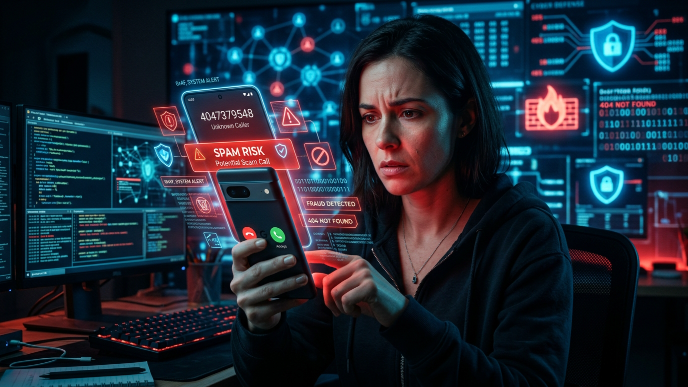
Unknown phone calls are becoming a daily experience for mobile users around the world, and many people now actively search unfamiliar numbers before answering them. One such number that appears in online search queries is 4047379548. Users usually look it up after receiving repeated missed calls, silent rings, or automated messages that do not clearly identify the caller. In the modern digital environment, where robocalls and phone scams are increasing, understanding numbers like this has become an important part of personal security.
The concern around unknown numbers is not without reason. Today’s telecom systems allow mass calling through automated dialers, which can contact thousands of users within minutes. While some of these calls are legitimate, others are linked to telemarketing systems or potential scam operations. This overlap creates confusion for users who cannot easily determine whether a call is safe or suspicious. Because of this, numbers like 4047379548 often become part of broader discussions around spam calls, caller ID trust, and digital safety.
At the same time, not every unknown call is harmful. Some may come from businesses, service providers, or customer support systems. However, due to increasing misuse of phone technology, users are encouraged to verify unknown calls before engaging. This cautious behavior has led to a rise in reverse phone lookup searches and online spam reports, helping people make informed decisions before answering unfamiliar numbers.
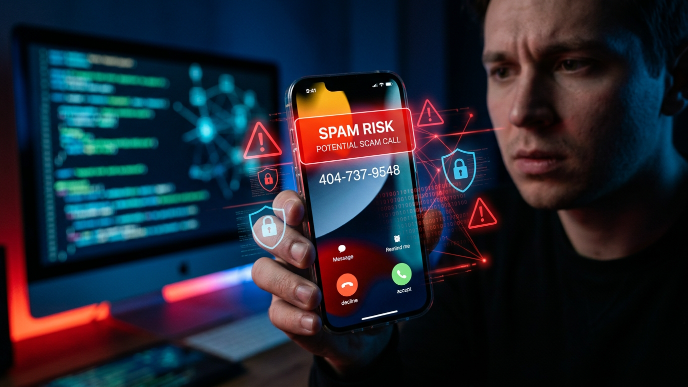
What Is 4047379548 and Why Are People Searching It?
The number 4047379548 is a 10-digit telephone number associated with the 404 area code, which is commonly linked to Atlanta, Georgia in the United States. Area codes are used to identify geographic regions in the phone system, but they do not guarantee the authenticity or purpose of a call. A number like this can belong to a legitimate user, a business line, or even be manipulated through spoofing technology.
People typically search for 4047379548 after receiving unexpected calls. Reports often describe missed calls, short rings, or calls that disconnect immediately when answered. These patterns are commonly associated with automated dialing systems that test whether a phone number is active. In many cases, no voicemail is left, which increases suspicion and leads users to search for more information online.
The growing number of searches for unknown phone numbers shows how much consumer behavior has changed. Instead of returning calls immediately, users now prefer to investigate first. This shift reflects increased awareness of phone scams, robocalls, and identity protection risks in modern communication systems.
Understanding Area Code 404 and Its Role in Communication
The 404 area code is a real and widely used telephone code in the United States, specifically covering parts of Atlanta, Georgia. It is used by businesses, government offices, and individuals, making it a legitimate part of the North American numbering system. Because of its association with a major city, calls from this area code can often appear trustworthy.
However, scammers can also exploit this trust. Through caller ID spoofing technology, fraudsters can make any number appear as if it is coming from the 404 region. This technique is commonly used to increase the likelihood that users will answer the call. When people see a familiar or recognizable area code, they are more likely to assume the call is safe.
Because of spoofing, the area code alone cannot be used to verify a call’s legitimacy. Even if 4047379548 appears local or familiar, it may not represent the actual origin of the call. This uncertainty is one of the main reasons users search such numbers online before responding.
Why Unknown Calls Like 4047379548 Keep Occurring
Unknown calls often happen due to automated dialing systems used in telemarketing and robocall operations. These systems can generate large volumes of calls automatically, without human intervention. They are used for both legitimate marketing purposes and illegal scam campaigns.
When these systems are active, they may repeatedly call numbers that do not answer. This results in patterns such as frequent missed calls or short rings from the same number. In some cases, the system disconnects the call if no agent is available, which leads to silent or incomplete calls.
Another factor is number recycling. Phone numbers can be reused or reassigned over time by telecom providers. Combined with spoofing technology, this makes it difficult to determine whether a number like 4047379548 is actively used by a real person or being imitated by automated systems.
How Robocalls and Automated Systems Function
Robocalls are automated phone calls that deliver prerecorded messages or connect users to live operators through computerized systems. These systems are widely used in customer service, appointment reminders, and marketing campaigns. However, they are also heavily exploited by scam operations.
Automated dialing systems work by rapidly calling large sets of numbers and identifying active lines. If a call is answered, it may play a message or transfer the call to a live agent. If no agent is available, the call may disconnect immediately, which explains why many users experience silent calls from unknown numbers.
Research into robocall behavior shows that many scam operations rely on urgency-based messaging. They often claim there are urgent problems such as unpaid bills, account issues, or legal actions. These tactics are designed to create emotional pressure and reduce careful thinking, increasing the chance of successful scams.
Caller ID Spoofing and Why It Creates Confusion
Caller ID spoofing is a technique that allows callers to disguise their real phone number and display a different number on the recipient’s screen. This makes it appear as though the call is coming from a trusted source, even when it is not. Numbers like 4047379548 may be genuine or may be displayed through spoofing systems.
Spoofing is widely used in scam operations because it increases trust. Scammers often choose local or familiar numbers to make recipients more likely to answer. In some cases, they even imitate banks, government agencies, or well-known companies to appear credible.
Because spoofing is difficult to detect, users are advised not to rely solely on caller ID. Instead, verification should be done through official contact methods, such as company websites or verified customer support numbers.
Common User Reports and Call Patterns
Many online reports associated with 4047379548 describe similar calling behavior. Users often mention repeated missed calls, brief rings, silent calls, or automated messages. These patterns are commonly linked to predictive dialing systems used in telemarketing or spam campaigns.
Some users also report that answering the call leads to immediate disconnection. This typically occurs when automated systems are testing whether a number is active or when no agent is available. While this does not confirm fraud, it often raises suspicion among recipients.
Community-driven reporting platforms play an important role in identifying such patterns. When multiple users report similar experiences, it helps build awareness about potentially unwanted or suspicious call activity.
Warning Signs of Suspicious Phone Calls
There are several warning signs that may indicate a suspicious call from numbers like 4047379548. One of the most common is urgency, where the caller pressures the recipient to act immediately without verification. This is a common tactic in scam operations designed to prevent careful decision-making.
Another warning sign is any request for sensitive information. Legitimate organizations typically do not ask for passwords, banking details, or verification codes through unsolicited calls. Any demand for payment through unusual methods should also be considered suspicious.
Other signs include robotic voices, silent calls, or repeated disconnections. These behaviors often indicate automated systems or spoofed calls rather than genuine personal communication.
How to Stay Safe From Unknown Numbers
Protecting yourself from unknown calls like 4047379548 requires simple but effective habits. One of the most important practices is not answering calls from unfamiliar numbers unless necessary. If the call is legitimate, the caller will usually leave a voicemail or follow up through other channels.
Users should avoid sharing personal or financial information during unsolicited calls. Even if the caller sounds professional, verification through official sources is essential before taking any action. Blocking suspicious numbers can also reduce repeated unwanted calls.
Modern smartphones often include spam detection features that help identify potential scam calls. Reporting suspicious numbers also contributes to wider protection by helping telecom providers improve detection systems.
Conclusion
The increasing attention around 4047379548 reflects a larger global issue involving unknown calls, robocalls, and phone-based scams. While not every unfamiliar number is dangerous, the rise of automated calling systems and caller ID spoofing has made it harder for users to trust incoming calls without verification.
Understanding how these systems work, recognizing warning signs, and using safe communication practices are essential for protecting personal information. By staying cautious and informed, users can reduce risks and make better decisions when dealing with unknown numbers like 4047379548 in everyday life.
