
When people type “Sasha Prasad Wikipedia” into Google, they usually want one clean, neutral page that answers the basics fast: who Sasha Prasad is, why she is also known as “Mia Z,” what platforms she is active on, and which facts are actually confirmed. That intent makes sense, because social media moves quickly and the web is full of copy-paste “wiki” articles that look official but often recycle the same unverified lines.
This article is written in a sasha prasad wikipedia -style, fact-first tone, but in simpler, more user-friendly English. I’m using details that are commonly reported by well-known public bio databases and public-facing creator analytics pages, and I’m treating anything that looks like private or sensitive information with extra care. Where the internet is inconsistent, I’ll say so plainly instead of guessing.
Sasha Prasad Wikipedia: why the keyword trends and what users want
The keyword “Sasha Prasad Wikipedia” is a classic example of how creator fame turns into “reference-search” behavior. A person sees a reel or meme clip, notices the name Sasha Prasad in captions or repost pages, then assumes there must be a single encyclopedia entry that confirms the real name, age, birthplace, and career highlights. In the creator economy, audiences expect that kind of “one-page truth,” especially when a creator is popular enough that their content appears across multiple repost accounts and entertainment blogs.
This search is also fueled by confusion around identity and naming. “Mia Z” functions as a stage name or online persona, and many viewers encounter the handle first and the legal name later. That leads to related searches like “Mia Z real name,” “Mia Z Instagram,” “Sasha Prasad biography,” “Sasha Prasad age,” and “Sasha Prasad birthday,” all of which are essentially people asking for the same thing: a stable profile that doesn’t change every time an algorithm changes.
Is there an official Sasha Prasad Wikipedia page in 2026?
Based on commonly visible search results as of 2026, Sasha Prasad is widely covered on third-party “wiki-style” bio sites, but a dedicated, established Wikipedia biography page is not consistently present or easily discoverable under her name. That gap is not rare for influencers, even very large ones, because Wikipedia is not built as a popularity directory. It is built around independent, reliable sourcing and editorial standards that often lag behind social media trends.
Wikipedia’s approach to living people is also stricter than most “celebrity bio” websites. The platform’s living-person standards emphasize verifiability and caution, which means claims about age, relationships, education, and family typically need strong sourcing. If most coverage is made of creator databases, self-published interviews, or promotional write-ups, it can be hard for a page to be accepted or maintained without disputes, even if the creator is clearly famous on Instagram or TikTok.
Mia Z and Sasha Prasad: how online identity works for creators
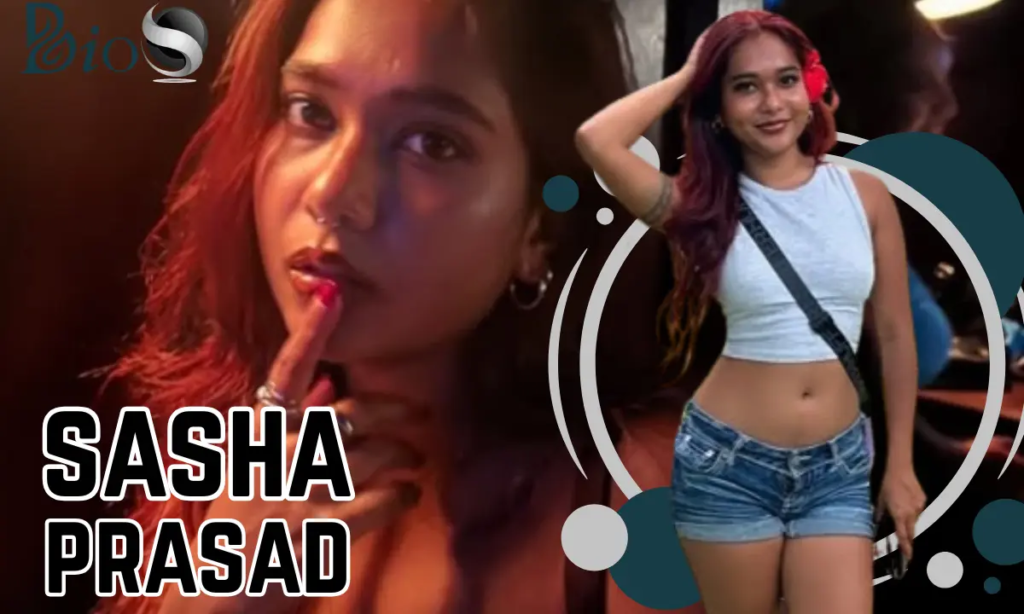
Online, Sasha Prasad is closely associated with the name “Mia Z,” and many people recognize her primarily through the Instagram handle that is frequently cited as @mia.z.1234. This is a common branding pattern: a creator builds an audience under a short, memorable persona name, then their personal name becomes the “real-name query” later when fans want a Wikipedia-style identity check. In practical SEO terms, the name pairing creates a predictable keyword cluster that includes “Sasha Prasad Mia Z,” “Mia Z Sasha Prasad,” and “Mia Z influencer.”
It also matters that “Sasha Prasad” is not a globally unique name. The same name can appear in unrelated professional or academic contexts, which can confuse search results and cause misattribution. That’s why the most trustworthy way to identify the correct person is to anchor your research to stable signals such as the main social handle, consistent profile photos, and consistent cross-links between platforms, rather than trusting random pages that claim “Wikipedia” authority.
Verified online profiles: Instagram @mia.z.1234 and creator footprint
For most people, Instagram is the center of the Sasha Prasad/Mia Z public footprint, because that is where short-form reels and viral clips are easiest to discover. Public bio databases commonly describe her as an “Instagram star” or “Instagram personality,” which is broad but accurate in the sense that her visibility is tied to platform-native content rather than to a single traditional industry credential like acting credits or a corporate job title. When your content is your product, your “career summary” is often best understood through what you publish consistently.
Because impersonation is common for fast-growing creators, the most reliable confirmation strategy is to look for cross-platform consistency. If an Instagram account links out to a YouTube channel with matching branding, or if multiple reputable databases list the same handle, that reduces the risk of confusing the real account with a fan page. For content writers and publishers, this step is part of E‑E‑A‑T: you don’t want to build an article on a fake profile that only looks real because the username is similar.
Follower count and engagement: what analytics pages typically report
Many people searching “Sasha Prasad Wikipedia” are also looking for scale signals, even if they don’t say it directly. Public creator analytics pages commonly report follower counts, estimated engagement rates, and audience quality indicators for large Instagram accounts. For @mia.z.1234, widely referenced analytics snapshots have placed the account around the 1.3 million follower range with an update timestamp in April 2026, which helps explain why “Wikipedia curiosity” exists in the first place: the audience size is large enough that people expect mainstream documentation.
It’s important to understand what these metrics mean and what they do not mean. Follower count tells you reach potential, while engagement rate suggests how actively the audience interacts with posts, and audience-quality tools try to estimate authenticity patterns. These are useful research signals for brands and journalists, but they are still third-party estimates rather than official disclosures. A trustworthy article treats them as directional indicators, not as absolute facts, and avoids turning them into inflated claims about income, lifestyle, or status.
Content niche and style: reels, fashion, lifestyle, and skit-based posting
Sasha Prasad’s public content is often described across creator databases as a mix of fashion-forward visuals, lifestyle posts, dance-style clips, and skit-format reels that lean into internet humor. This combination matters for search behavior, because it naturally expands related keywords into “Mia Z reels,” “Mia Z Instagram model,” “Sasha Prasad videos,” “viral reels creator,” and “social media influencer.” It also helps explain why different websites categorize her differently: one viewer may see fashion content first, while another finds her through comedy-style skits.
From a practical “Wikipedia-style” lens, the most accurate way to describe a modern creator is to focus on format and platform rather than over-assigning a single job label. A person can be a content creator, an influencer, and a social media personality at the same time, and those aren’t empty terms when you define them clearly. In this case, the consistent thread is short-form entertainment and personality-led posting designed for discovery feeds.
YouTube presence: MiaZWorldHD and the move into long-form
Sasha Prasad is also commonly linked to a YouTube presence under the branding “MiaZWorldHD,” which is often described as starting with travel-oriented content around late 2023. That kind of timeline is a typical creator expansion path: Instagram builds awareness quickly, while YouTube helps deepen viewer connection through longer videos, travel vlogs, and a more narrative style. Once a creator establishes even a modest YouTube footprint, audiences tend to view them as a more “documented” public figure, which can increase searches for Wikipedia-style biographies.
YouTube also changes how people research. With longer videos, viewers look for background context, origin stories, and “where is she from” details because vlogs create a sense of familiarity. That is why the keyword set expands into “Sasha Prasad YouTube,” “MiaZWorldHD vlog,” and “Mia Z travel,” alongside the original “Sasha Prasad Wikipedia” query. For SEO writing, acknowledging this shift helps the article match real user intent instead of only repeating basic bio lines.
Personal details people ask about: age, birthday, birthplace, and heritage
The most common personal-data searches around Sasha Prasad involve age, birthday, and birthplace. Large bio databases have reported a birthday of August 7, 2004, and have described her as Fiji-born with Indian heritage, which would place her at about 21 years old during 2026. These are the kinds of details people expect Wikipedia to confirm, but they are also the details that get repeated most aggressively across low-quality sites, sometimes with errors introduced along the way.
A careful E‑E‑A‑T approach treats these points as “reported by public bio databases” rather than as legally verified facts, unless the creator has clearly and consistently self-stated them on primary channels. This distinction matters because the internet often blurs the line between “commonly stated online” and “confirmed.” When writing about a living person, especially a creator whose audience is still growing, it is more responsible to avoid overconfidence about private life, relationships, income, and family details unless there is strong, independent reporting.
How Wikipedia evaluates influencer notability and why pages fail
A key reason “Sasha Prasad Wikipedia” searches end in frustration is that Wikipedia’s criteria are not based on follower count. Notability is generally built on significant coverage in reliable, independent sources, and Wikipedia applies extra caution for biographies of living persons to prevent harm from rumors or thin sourcing. Many influencer “wiki” pages fail not because the person isn’t famous, but because most available sources are self-published, promotional, or circular, meaning they copy the same claims without original verification.
Conflict-of-interest issues also matter. Wikipedia discourages subjects or their representatives from writing their own pages directly, and it expects neutral tone with citations to independent sources. Even well-meaning fans can accidentally build a page that reads like promotion, includes unsourced personal claims, or relies on unreliable sites, which increases the chance it will be deleted or heavily edited. This is why a creator can be highly visible on Instagram while still lacking a stable Wikipedia entry: the editorial ecosystem that Wikipedia requires may not exist yet.
Conclusion: the most reliable Wikipedia-style snapshot of Sasha Prasad right now
The most reliable “sasha prasad wikipedia-style” summary available from commonly cited public sources is that Sasha Prasad is widely known online as “Mia Z,” strongly associated with the Instagram handle @mia.z.1234, and recognized as a large-scale social media personality in the fashion, lifestyle, and skit-reel space. Public creator analytics snapshots have placed the account around the 1.3 million follower range with an April 2026 update, which supports the idea that she has reached a level of visibility that naturally triggers reference-style searches.
At the same time, the most trustworthy way to handle “Sasha Prasad Wikipedia” as a topic is to be honest about what is truly verified versus what is simply repeated. Bio databases frequently report details such as a Fiji birthplace, Indian heritage, and an August 7, 2004 birthday, but sensitive or private-life claims should be treated cautiously unless confirmed through strong independent reporting or clear self-disclosure. If you want an accurate, reader-first biography, the best approach is to anchor on consistent platform identity, avoid rumor-driven details, and frame her public role through observable work: the content she publishes, the platforms she uses, and the creator brand she has built.
