
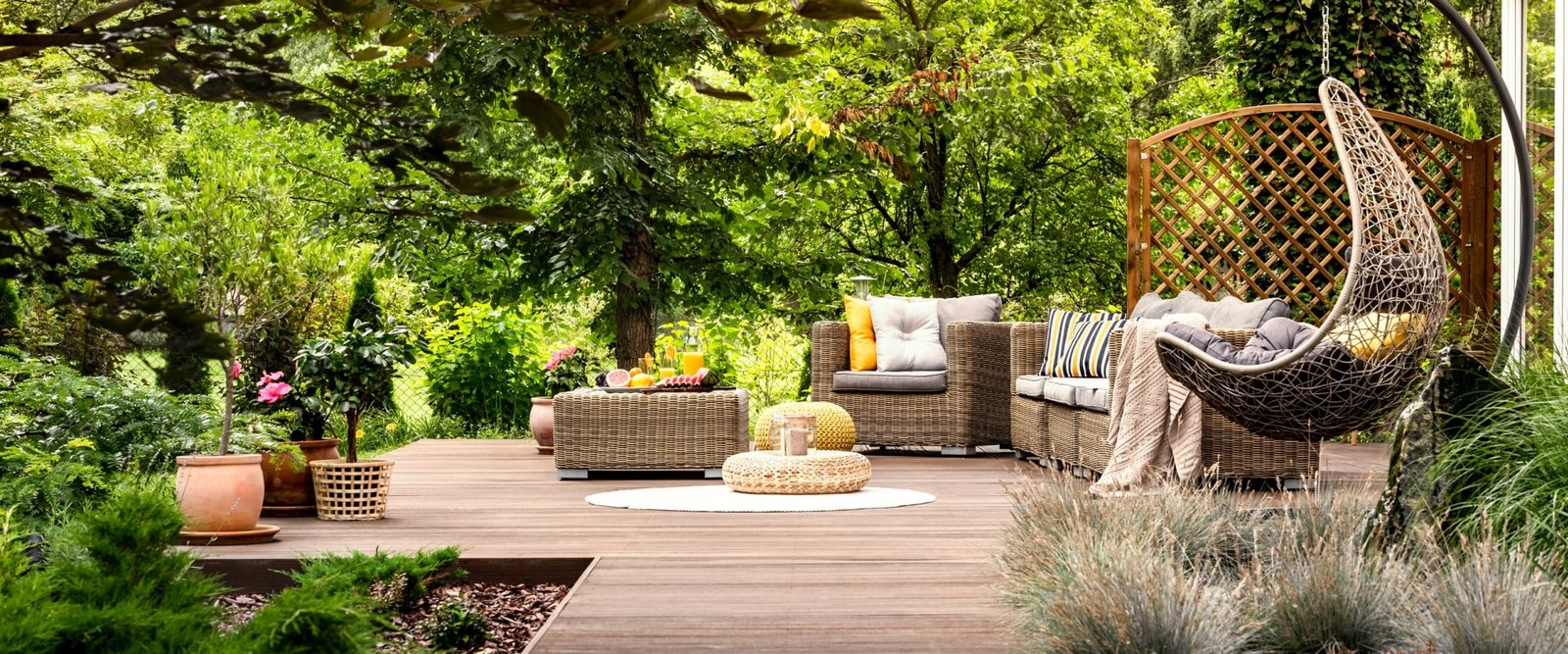
Understanding Your Outdoor Space
robert mygardenandpatio When embarking on the journey to transform your garden and patio, it is essential to begin with a thorough assessment of your outdoor space. Evaluating the size and shape of the area will provide a solid foundation for your design ideas. Begin by measuring the dimensions of your garden and patio, taking note of any structures such as trees, fences, or existing garden beds that may influence your plans. By gathering this information, you can create a layout that harmonizes with the constraints and opportunities presented by your environment.
robert mygardenandpatio Another critical aspect to consider is the sunlight patterns throughout the day. Observe how sunlight interacts with your space at different times, as this will affect what plants will thrive in specific areas. For instance, if a region receives full sun, you might opt for sun-loving flowers, while shaded areas may be ideal for ferns or shade-tolerant plants. Understanding these sunlight dynamics will guide your selection and placement of vegetation.
robert mygardenandpatio Soil type is another fundamental component to evaluate when planning your garden and patio. Conducting a simple soil test can yield insights into its pH level, fertility, and texture. This information will help you choose appropriate plants that will flourish in your specific soil conditions. Furthermore, examining existing vegetation will provide valuable lessons on what grows well in your unique environment. Look for plant species already thriving in your area and consider similar options when planning your own outdoor space.
robert mygardenandpatio By delving into these aspects—size, shape, sunlight, soil, and existing features—you will equip yourself with the necessary knowledge to make informed decisions as you embark on your gardening journey, ultimately enhancing the beauty and functionality of your garden and patio.
Essential Gardening Tools and Supplies
Embarking on a gardening journey can be a rewarding experience, but having the right tools and supplies is essential for success. As a beginner, it is important to build a foundational toolkit that will enable you to effectively manage your garden and patio spaces. The first must-have tool is a trowel, which is used for digging, planting, and transferring soil. A sturdy trowel will make various tasks considerably easier and is an essential component of any gardener’s toolkit.
Next on the list are pruning shears, which are vital for maintaining the health and appearance of plants. These tools allow for the trimming of overgrown foliage and the removal of dead or diseased branches, promoting healthy growth. Having a quality pair of pruning shears can make a significant difference in the longevity and vitality of your plants.
A watering can is another indispensable item that should not be overlooked. This tool allows for controlled watering of your plants, especially in areas that might be hard to reach with a hose. When selecting a watering can,robert mygardenandpatio consider its size and weight, as it should be manageable for both indoor and outdoor usage.
In addition to these basic tools, donning a pair of protective garden gloves can enhance your gardening experience. Gloves safeguard your hands from blisters, cuts, and dirt, making the process more enjoyable. Finally, for those interested in soil quality, a soil tester can provide essential information regarding pH and nutrient levels. This tool enables you to make informed decisions about soil amendments and fertilizers.
These essential gardening tools can be found at local hardware stores or garden supply centers. As you start to build your gardening toolkit, consider investing in high-quality tools that will last for years. Over time, as your gardening skills expand, you may want to explore more specialized equipment to cater to specific gardening needs.
Choosing the Right Plants for Your Garden and Patio
Selecting the right plants for your garden and robert mygardenandpatio is crucial for creating an appealing and sustainable outdoor space. One of the first considerations should be your local climate, as this will determine which plants thrive in your area. Understanding your planting zone, often referred to as the USDA Plant Hardiness Zone, will help you choose plants that can withstand the temperature extremes typical of your region.
Begin by assessing the amount of sunlight your robert mygardenandpatio receive. Many plants can be categorized based on their sun requirements—full sun, partial shade, or full shade. This information will guide you in selecting plants that will flourish in their assigned locations. For those who appreciate an array of color and variety, utilizing both perennial and annual plants can create a dynamic garden that changes with the seasons. Perennials return year after year, providing a lasting structure to your garden, while annuals allow for flexibility and experimentation each gardening season.
Low-maintenance plants are a great option for beginners. Consider succulents, ornamental grasses, or native plants that require less water and can adapt to your local conditions without extensive upkeep. Additionally, integrating a mix of foliage and flowering plants will not only provide aesthetic appeal but also support local wildlife, contributing to a healthy ecosystem in your outdoor space.
Finally, consider your personal preferences—for colors, shapes, and textures—and how they complement your home and robert mygardenandpatio design. The right selection of plants will enhance the overall atmosphere of your outdoor area, allowing you to enjoy a serene yet vibrant space that reflects your taste.
Basic Patio Design and Decoration Tips
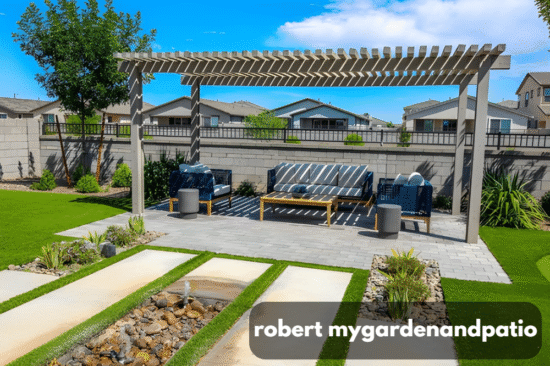
robert mygardenandpatio Creating a welcoming atmosphere in your outdoor space is crucial for enjoying your garden and patio. When planning your patio design, consider the layout of your furniture. It is advisable to create defined seating areas that encourage conversation. Arrange seating to facilitate interaction, perhaps by positioning chairs around a central table or fire pit. This arrangement not only maximizes comfort but also fosters social engagement.
Selecting appropriate outdoor décor is integral to the overall aesthetic of your robert mygardenandpatio Consider using outdoor rugs to delineate spaces, adding warmth and comfort underfoot. Introducing decorative elements like lanterns, cushions, and artwork will further personalize the area. Additionally, selecting weather-resistant materials for these décor items is essential to maintain their appearance over time.
Incorporating plants into your patio design enhances both its beauty and ambiance. Consider using containers or raised planters for your greenery, allowing for flexibility in placement. Foliage can create natural barriers for privacy while also contributing to a serene environment. Flowering plants add vibrant colors, while aromatic herbs can provide functional benefits, enhancing the sensory experience.
Pathways are also a significant aspect of patio design. They provide clear navigation routes between areas, encouraging exploration within your outdoor space. Utilizing stones, bricks, or mulch for pathways can create a rustic charm, harmonizing with your garden’s natural elements.
Lighting plays a vital role in enhancing your patio during the evening hours. Incorporate a mix of ambient and task lighting, such as string lights, lanterns, or solar-powered LED fixtures. These options not only illuminate the area but also add a magical touch to your outdoor gatherings.
In addition to these suggestions, consider embarking on simple DIY projects to make your patio truly unique. Whether it’s repainting furniture, creating handmade planters, or building custom seating, personal touches can significantly elevate your outdoor space.
