
Introduction
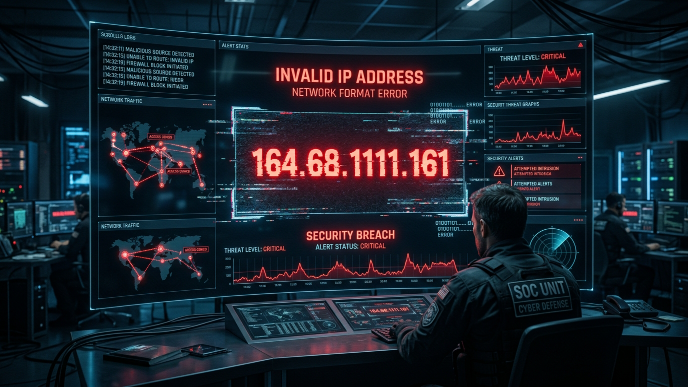
The string “164.68.1111.161” looks like a normal IPv4 address, but it is actually an invalid IP address format. Many users come across such values in server logs, analytics dashboards, firewall reports, or while troubleshooting internet issues. At first glance, it appears technical and legitimate, but in reality, it cannot exist in any real network because it breaks the core rules of IP addressing.
In modern networking, IP addresses are the backbone of internet communication. Every device connected to the internet relies on properly formatted IP addresses to send and receive data. When an address is malformed like “164.68.1111.161,” systems automatically reject it during validation. Understanding why this happens helps improve networking knowledge, cybersecurity awareness, and troubleshooting skills.
What is 164.68.1111.161 and Why It Is Invalid
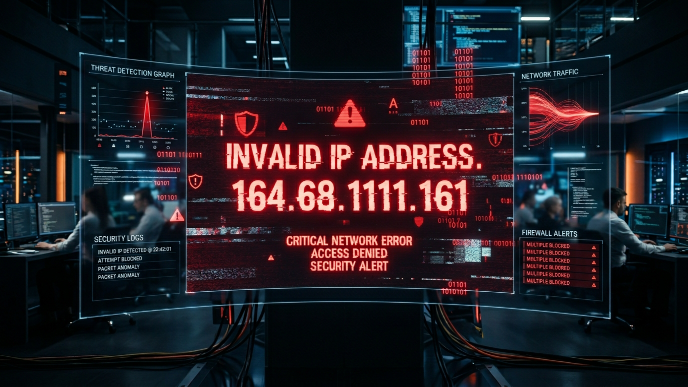
The number “164.68.1111.161” follows the structure of an IPv4 address but violates a critical rule. In IPv4, each of the four sections (called octets) must be between 0 and 255. The third section in this case is “1111,” which is far beyond the allowed limit, making the entire address invalid.
This type of error usually occurs due to typing mistakes, corrupted data, or software misconfiguration. A correct version might have been intended as something like 164.68.111.161, but an extra digit was accidentally added. According to IPv4 standards, any number above 255 cannot be interpreted by routers or network systems, so the address becomes unusable.
Because of this violation, no server, website, or device can ever be assigned this IP. It remains purely a malformed string with no real-world network identity.
How IPv4 Addressing System Works
IPv4 is the most widely used internet addressing system and is based on a 32-bit structure divided into four numerical blocks. These blocks are separated by dots and are commonly written in the format A.B.C.D. Each block represents 8 bits of binary data, which limits its value between 0 and 255.
This structure allows approximately 4.3 billion unique addresses worldwide, which are used to identify devices across networks. Every time you browse a website or stream content, your device uses an IP address to communicate with servers through routers.
The strict range limitation exists because of binary computation rules. Computers process IP data in binary form, and 8-bit numbers cannot exceed 255 in decimal format. This is why any value above 255 automatically breaks IPv4 validation rules and becomes invalid.
Why 164.68.1111.161 Appears in Logs or Systems
Even though “164.68.1111.161” is not real, it may still appear in system logs, analytics reports, or cybersecurity tools. One of the most common reasons is simple human error during manual data entry. A small typing mistake can easily generate invalid IP formats.
Another reason is software or script misconfiguration. Some poorly written systems may generate incorrect IP-like strings when processing network data. This often happens in large-scale systems handling millions of log entries.
In cybersecurity environments, invalid IPs can also appear due to bot activity, scanning tools, or malformed network requests. These entries are usually not harmful but indicate that data has been corrupted, manipulated, or incorrectly recorded.
Role of IP Validation in Network Systems
IP validation is a crucial process in networking that ensures only correctly formatted addresses are accepted by systems. When data enters firewalls, servers, or routers, it is checked against IPv4 rules before being processed.
If an address like “164.68.1111.161” is detected, the system immediately rejects it because it does not meet structural requirements. This prevents routing errors and protects network stability.
Validation also plays an important role in cybersecurity. It helps filter out malformed traffic, reduce noise in logs, and identify suspicious or automated activity attempting to interact with systems incorrectly.
Common Causes of Invalid IP Addresses
Invalid IP addresses typically occur due to simple but impactful reasons. The most common cause is human typing errors, where extra digits are added or removed accidentally. Even a single incorrect number can break the entire IP structure.
Another major cause is software bugs or misconfigured network tools. Some applications may not properly validate input data, resulting in corrupted IP entries being stored or displayed in logs.
In cybersecurity environments, invalid IPs may also appear due to automated bots or malicious scripts. These systems sometimes generate fake or malformed addresses to confuse tracking tools or bypass weak validation systems.
How Cybersecurity Systems Handle Invalid IP Data
Modern cybersecurity systems are designed to detect and ignore invalid IP addresses automatically. Firewalls, intrusion detection systems, and monitoring tools all include validation layers that filter out incorrect data before it reaches deeper analysis stages.
When an address like “164.68.1111.161” appears, it is usually marked as invalid input and ignored or logged as a formatting anomaly. Security systems may also flag repeated invalid entries as suspicious behavior, especially if they come from automated sources.
Advanced cybersecurity platforms use intelligent filtering and pattern recognition to distinguish between harmless errors and potential threats. This ensures that only meaningful network data is analyzed for security monitoring.
Difference Between Valid and Invalid IP Addresses
A valid IP address follows strict formatting rules and can be used for real communication between devices. For example, 164.68.111.161 is valid because all octets fall within the required range. It can be assigned to a device and used for internet communication.
In contrast, 164.68.1111.161 is invalid because the third section exceeds the allowed range of 0–255. As a result, it cannot be routed, assigned, or recognized by any network system.
Understanding this difference is essential for troubleshooting network issues, configuring routers, and identifying errors in system logs or software outputs.
Why Understanding IP Structure Matters
IP addresses are the foundation of all internet communication. Without them, devices would not be able to locate or interact with each other. Learning how IP structure works helps users understand how data travels across the internet.
This knowledge is also important for cybersecurity awareness. Many phishing attempts, fake logs, or suspicious network entries rely on users not recognizing invalid or malformed IP formats.
By understanding rules like the 0–255 range limitation, users can quickly identify incorrect data and avoid confusion during troubleshooting or security analysis.
Conclusion
The string 164.68.1111.161 is not a real IP address but an invalid IPv4 format caused by exceeding the allowed numerical range in one of its sections. While it may appear in logs or system outputs, it does not represent any real device or network connection.
Understanding why this format is invalid helps improve networking knowledge, strengthens cybersecurity awareness, and supports better troubleshooting practices. IP addresses must follow strict rules to function correctly, and even small formatting errors can make them completely unusable in real-world systems.
